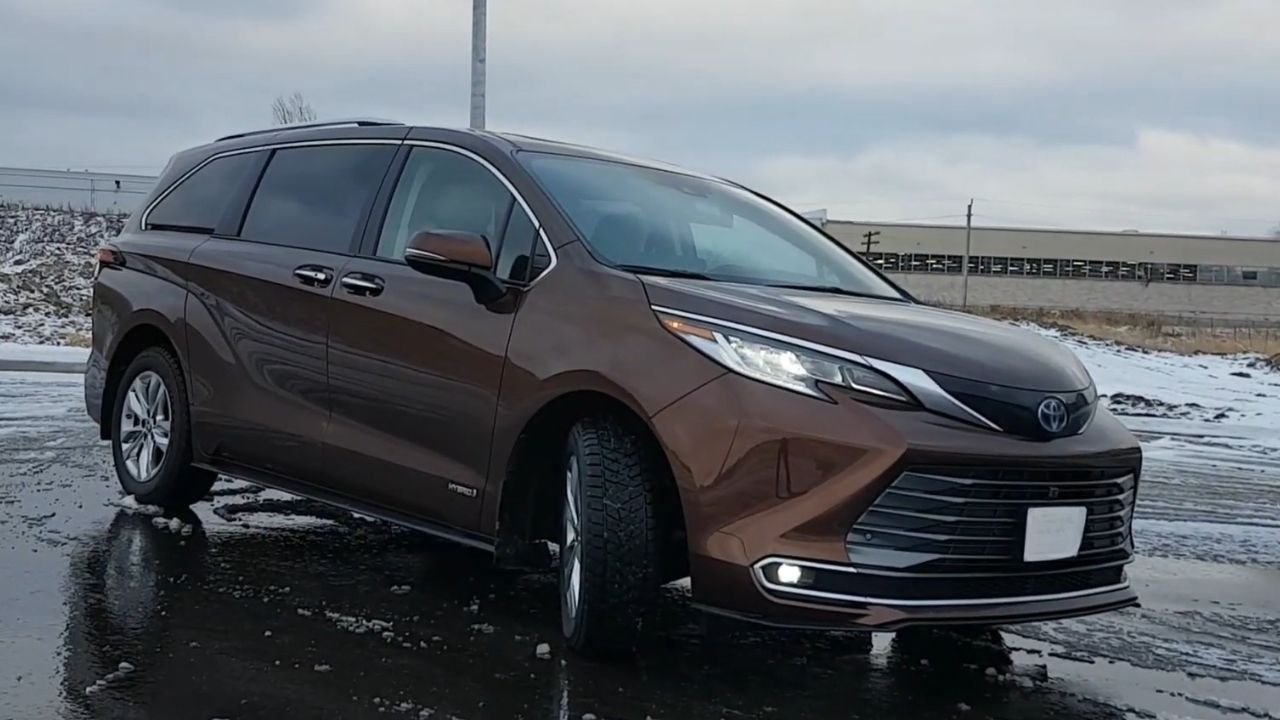
Toyota Sienna has been the go-to family van for American road trips for the last 30 years. It’s previous four generations show the Sienna’s evolved from a classic V6 family van, to the hybrid that it is today. Having a van that has hybrid technology is definitely ahead of the time and competition.
To fully examine the fuel economy of the Sienna from it’s launch to the current model, you have to consider the changes in technology made my Toyota with each new Sienna model.
We are going to test all generations fuel efficiency but expect the fourth generation of the Sienna as a most advanced with hybrid technology and fuel efficiency compared to other models and competitors.
First Generation 1998–2003
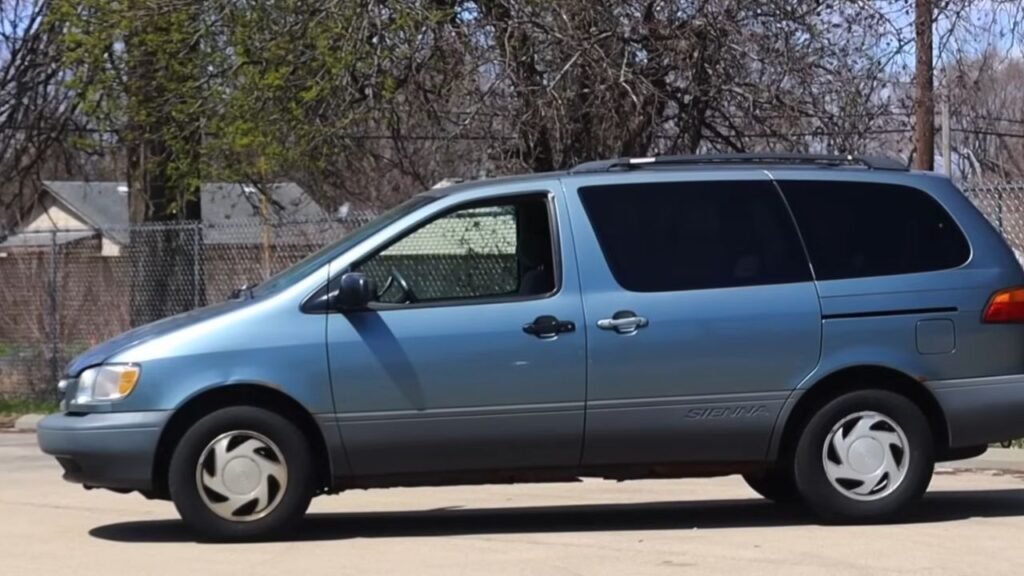
When Toyota decided to launch their first generation Sienna on the extended Camry platform, they replaced the mid-engine Previa. This decision improved the smooth driving experience but 3.0 liter V6 engine affected the fuel economy.
I want to mention that the EPA changed the way they test fuel economy to match the typical driving behavior more accurately. So, the numbers I am using the today, compare to the fuel economy numbers you would find on the original window sticker.
This generation has fuel economy of 16 MPG on the city roads, 22 MPG on the highways and 18 overall combined MPG.
Second Generation 2004–2010
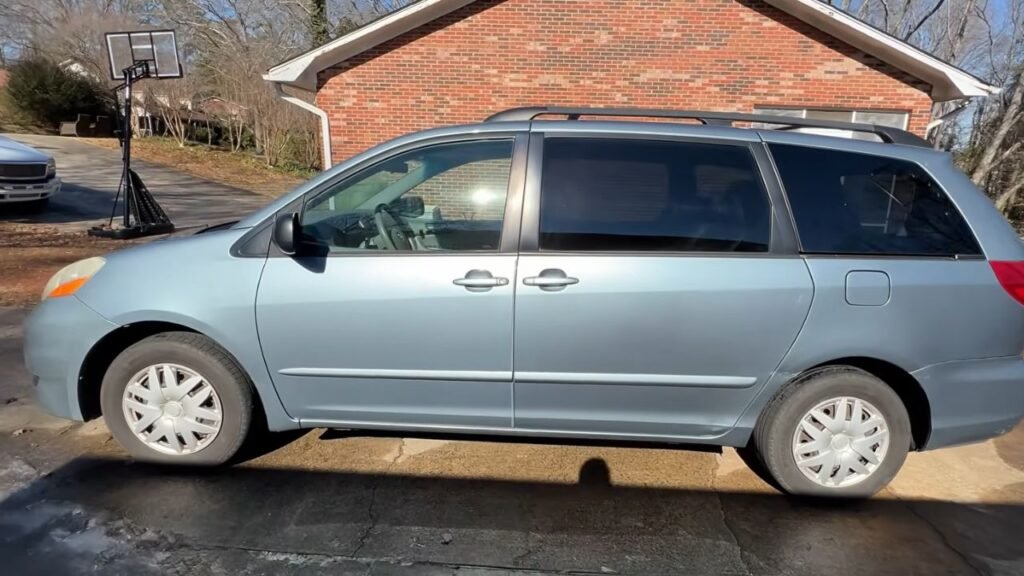
In 2004, Toyota Sienna got completely redesigned and it worked well for them. It was now a better competitor to the Chrysler. This model also introduced the first in the class available All-Wheel Drive System. However, due to drag and weight from the system, it’s fuel efficiency took major hit.
This generation offered 2 different Toyota V6 engines. Here is a breakdown to show how the 3.3 engine (2004–2006) compares to the 3.5 that they introduced later on.
| Model Years | Powertrain | Drivetrain | EPA Rating (City/Hwy/Combined) |
|---|---|---|---|
| 2004–2006 | 3.3L V6 | FWD | 17 / 23 / 19 MPG |
| 2004–2006 | 3.3L V6 | AWD | 16 / 22 / 18 MPG |
| 2007–2010 | 3.5L V6 | FWD | 17 / 23 / 19 MPG |
| 2007–2010 | 3.5L V6 | AWD | 16 / 21 / 18 MPG |
Third Generation 2011–2020
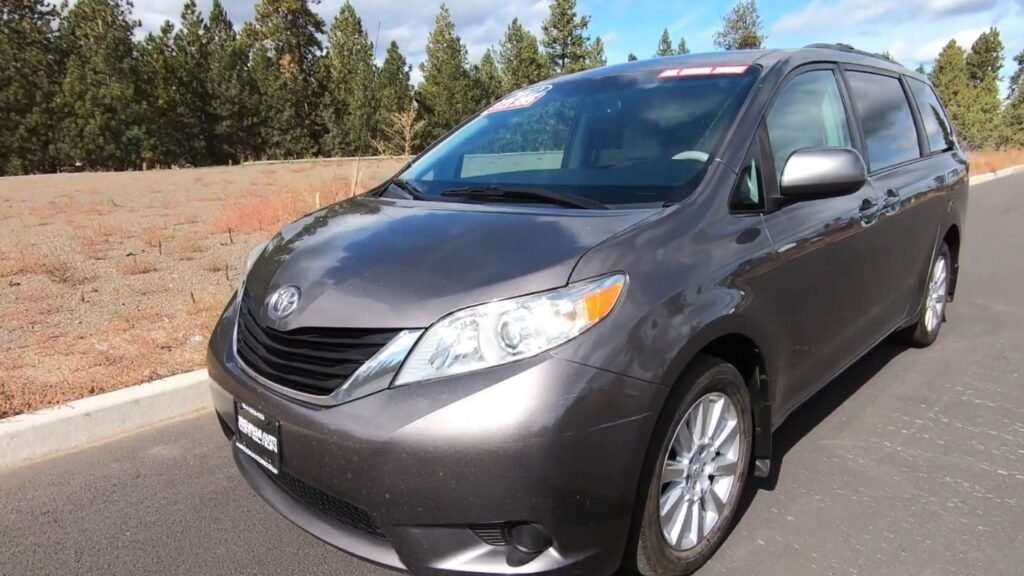
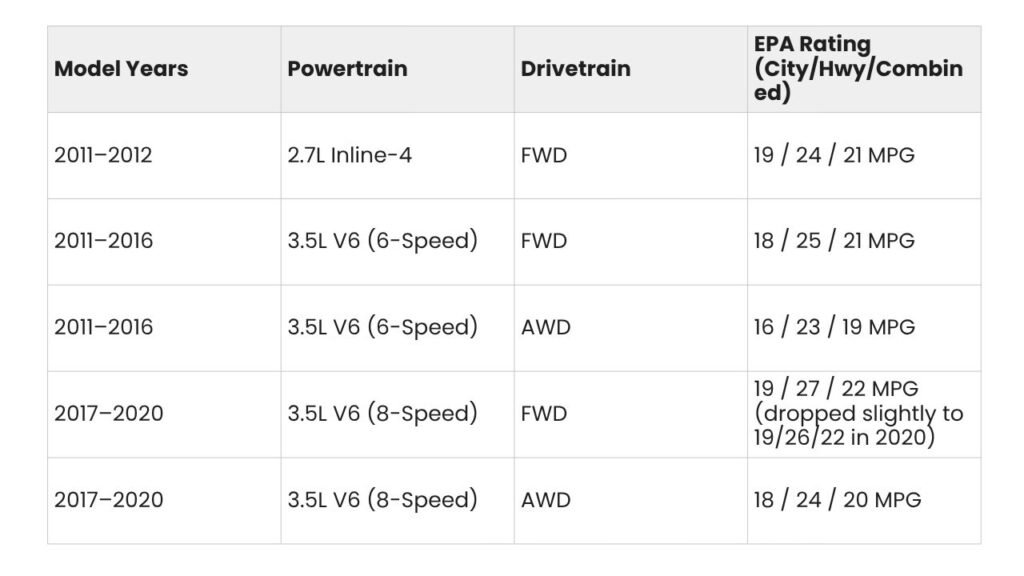
The Sienna’s 3rd generation design created a sportier look that I think improved styling. For a short time, in 2011-2012, a 2.7L 4-cylinder engine option was included to attract buyers with a cheaper price. I think this was not a good move, since it would have saved very little gas compared to a V6 option.
Then come the real gamechanger the 2017 redesign of the Sienna. It introduced 3.5L V6 and it has a much better performing 8 speed automatic transmission replaced the 6 speed automatic transmission. The revision of the 3.5L V6 also included direct fuel injection which improved performance.
Fourth Generation 2021–Present
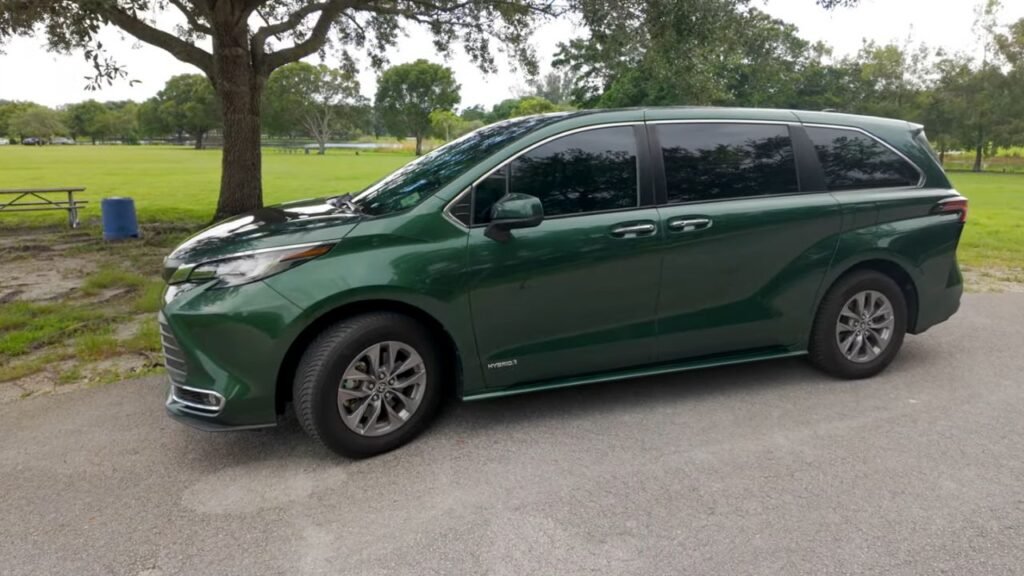
In 2021, i thought Toyota did a risky move by fully removing the V6 engine from the Sienna. Every Sienna from 2021 onward is equipped with a 2.5-liter four-cylinder engine with electric motors, which provides a total of 245 horsepower.
The hybrid engine provides fuel efficiency that is almost double the previous generation Sienna for driving in the city. Also, instead of a bulky driveshaft for the new style AWD, the new design features an on-demand AWD that uses an additional electric motor to power the rear wheels.
| 2.5L Hybrid (FWD) | 36 city / 36 highway / 36 combined MPG |
| 2.5L Hybrid (AWD) | 35 city / 36 highway / 35 combined MPG |
My Favorite Feature in this current generation Sienna is that it’s hybrid design allows the normal 18-gallon gas tank to give a remarkable 630 to 648 mile cruising range. What else you want on a long family road trips?
Real world factors you should consider with EPA rating
While we all do rely on the EPA ratings but also keep in mind that real world driving conditions do vary and they significantly affect MPG. Here are a few key points to keep in mind regarding real world driving conditions and damages to your driving efficiency:
- The “Hybrid Advantage” Flip: What I find impressive with the 4th-generation hybrid is that city driving with a lot of stops is as efficient than the freeway/highway driving, it is mainly because of the regenerative braking system.
- Cargo & Wind Resistance: Minivans like Toyota Sienna do have a lot of surface area due to their shape and size. Be careful with cargo boxes and bike racks that are mounted to the top. From my past drives, I have noticed that the highway efficiency drops significantly (usually 2 – 5 MPG) because of the drag the cargo racks create.
- Drive Modes: For the modern 4th-generation, I strongly suggest driving on the Eco Modes. I’ve found that it do changes sensitivity in throttle response but gives you maximum fuel efficiency.



Be First to Comment