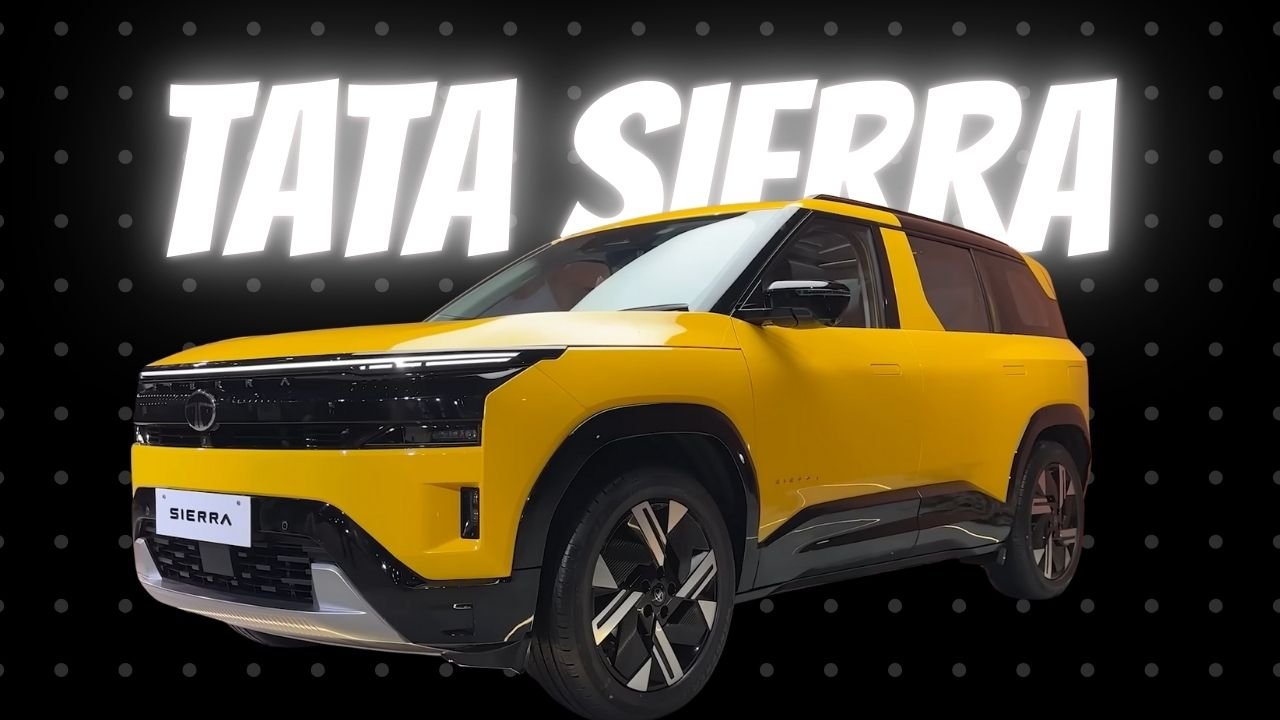
Tata Sierra has been launched, and i am sure you checked out its multiple reviews on the internet but this post will cut to the chase weather Tata Sierra is worth to buy or not.
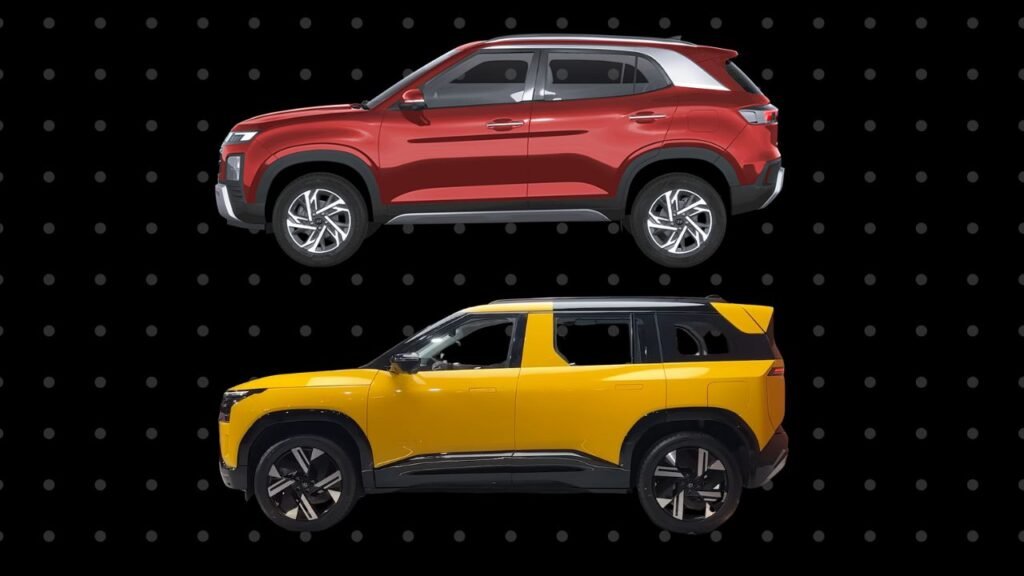
Has Tata finally cracked the code to beat the Hyundai Creta? Every time a new mid-size SUV launches, brands aim to snatch Creta’s market share because it sells 18,000 to 19,000 units monthly, while competitors struggle to hit 7,000-8,000 even in second or third place. Tata’s trump card is the Sierra, designed alongside the Curvv to capture a significant chunk of Creta’s dominance through superior engines, dimensions, interiors, and nearly everything else.
Yes, it’s introductory price is 11.49 lakh rupees but let me tell you it will rise as time passes.
Dimensions and Practicality
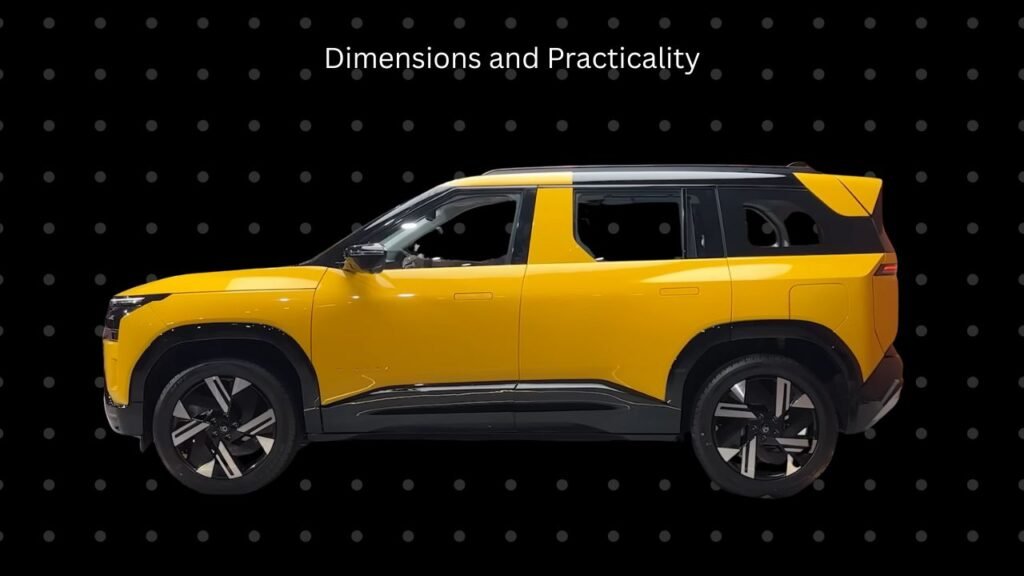
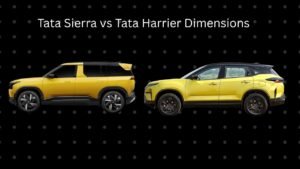
Tata Sierra outshines most of its segment rivals in dimensions: 4,340 mm length, 1,841 mm width (widest by a margin), 1,715 mm height (tallest, 4-5 inches over most), and 2,730 mm wheelbase (longest by ~6 inches for superior rear legroom).
Ground clearance is a solid 205 mm, boot space leads at 622 liters (+200L over rivals), allowing three normal-sized adults comfortably in the rear.
Even with my 5’11” height and front seat set for a 6-footer, rear legroom and under-thigh support excel due to the long wheelbase.
Tata also revealed 450 mm water-wading capacity which i personally find impressive for a road-going SUV, unlike most brands, ideal for India’s flooded roads.
Engine and Powertrain Options
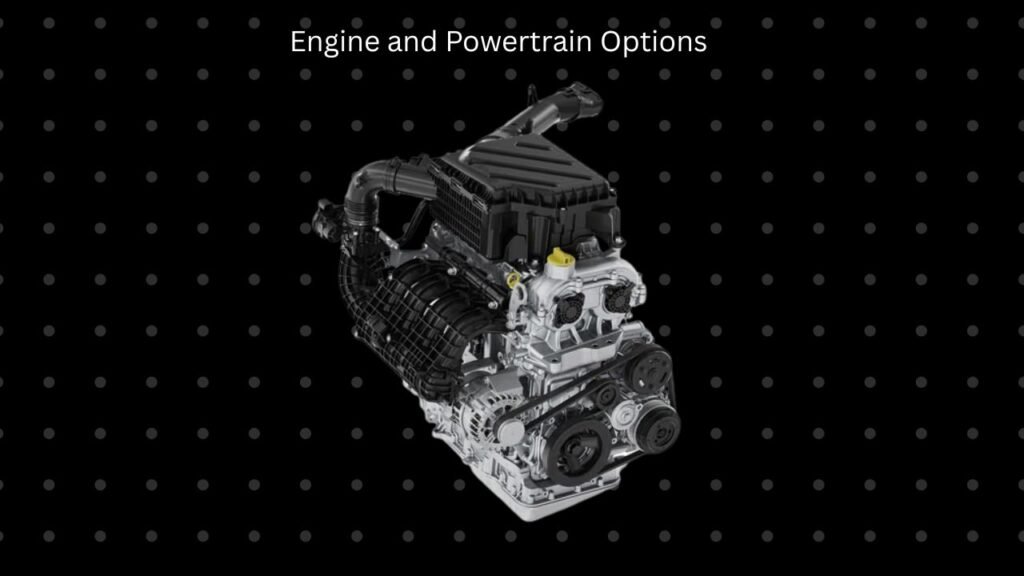
Sierra offers three 4-cylinder engines: familiar 1.5L diesel (like Nexon), new 1.5L NA petrol (105 bhp), and promising 1.5L GDI turbo-petrol (~158 bhp, matching Hyundai/VW leaders).
The NA engine’s peak torque at 2,100 RPM (vs. rivals’ 4,000 RPM) and higher compression ratio promise punchier low-end feel, though real-world drive confirms it; turbo limited to top three variants won’t define success.
Creta’s NA edges at 113 bhp, Elevate 119 bhp, but Sierra’s early torque helps. Tata introduces a new torque-converter automatic (sourced with Toyota tech influence), available across options (some DCT), positioning powertrains solidly against Creta.
The ARGOS Platform
This framework defining size, strength, powertrain, electronics, and features Sierra is first car on this platform, called ARGOS (All-terrain Ready, Omni-Energy, Geometry Scalable).
Tata states it’s all-wheel-drive ready, maximizes interior space, supports multiple body styles, and multiple power sources like petrol, diesel, CNG, and even hybrid.
Hybrid and AWD caught attention, but while the platform supports them with hints at launch events, no AWD launch timeline is confirmed. Hybrids are costly and time-intensive; Tata’s strong EV focus makes their arrival uncertain.
Design Highlights
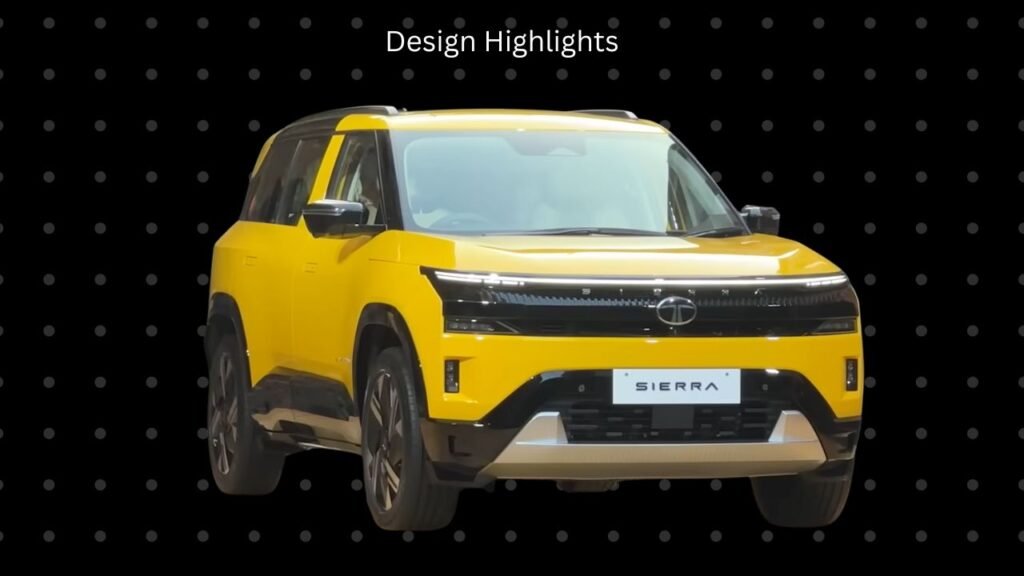
Many ask if Sierra truly revives the old Sierra? let me tell you the rear glass nods to it via wraparound styling, metal stress bar for safety (not single PCR glass), blacked-out edges blending seamlessly.
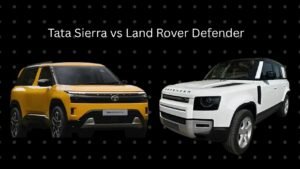
Overall, it feels grown-up Sierra-esque, but Range Rover-inspired (sleek, sophisticated hood lines, flush handles, stream-lined taillights—not Defender’s bulk) with 19-inch wheels for balanced European proportions.
Uncluttered front DRL (single left-to-right module with indicators) and rear LED bar are unique in India for premium flow, though single-piece design risks full-module replacement if one LED fails. Overall, Sierra’s modern, sleek design trumps competitors.
Interior Strengths
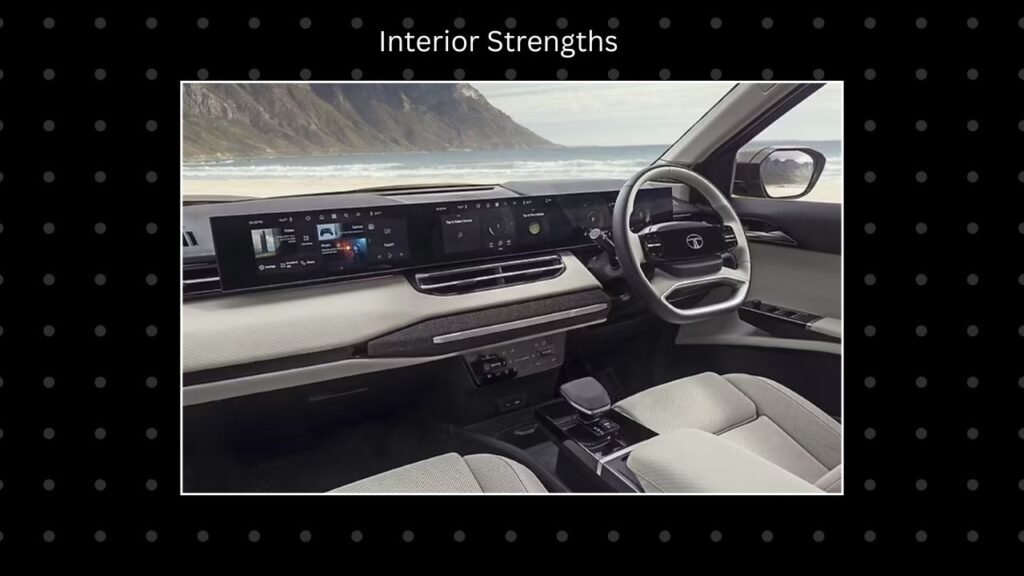
Space is the highlight in the Tata Sierra, its rear fits three adults with ample legroom, excellent under-thigh support, and unmatched front seats (large, extendable thigh support, plush cushioning better than ₹25 lakh rivals).
Floating center console elevates armrest comfort for easy gear shifts like Innova/Safari, extendable sun visors add practicality, and triple screens (responsive UI, passenger games) feel modern. Prefer dual screens in second-top variant for cleaner cockpit (HUD, partitions)—avoids excess screen time, preserving road immersion.
Base Variant Pricing
Base (11.49 lakh ex-showroom, ~15 lakh on-road) packs upmarket features: one-piece LED headlights/taillights, bi-LED projectors, height-adjustable seatbelts, sliding armrest, sunroofs—rivals skimp here.
In short, Sierra betters Creta in most areas, but engines must outperform to win. Remember features alone won’t suffice.


Be First to Comment